
Look at histology with a purpose
From first glance to labelled explanation: a repeatable way to read unfamiliar slides.

An unfamiliar slide can feel like a collection of details without a clear starting point. A more purposeful study session begins with an observation routine and a small set of questions drawn from your practical teaching.
- 1Describe what you observe before choosing a label.
- 2Compare your reasoning with an approved reference.
- 3Record the feature you need to recognize next time.
Observe before naming
Use an approved teaching slide or image. Describe the overall organization before trying to recall its label, then identify the features your course asks you to recognize.
Write what you can actually see and separate it from what you expected to see. This makes it easier to discuss an uncertain identification with a teacher.
- Choose a topic from your current course.
- Set a clear purpose for the attempt.
- Follow the guidance in approved resources.
Compare with a reference
Check your observations against the labelled course image or practical guide. Record which feature supported the identification and which one you missed.
Where your teaching materials include similar examples, compare them side by side. Focus on the distinguishing features rather than memorizing the position of a single image on a page.
- Make your own attempt first.
- Compare it with a reliable reference.
- Record omissions and uncertainties.
Retry with a clear purpose
Return to an unlabelled example and explain your choice in a few sentences. Follow the answer format and diagram guidance used in your practical course.
If your explanation still depends on guessing, note the uncertainty for faculty review. A useful practice record describes the gap clearly enough that your next session can target it.
- Focus on one weakness at a time.
- Ask faculty about unresolved questions.
- Set a specific task for the next session.
Purposeful observation gives practical revision a clearer structure. Let each comparison reveal what to look for and what to ask about next.
Continue reading

A calmer way to read years of university questions without turning frequency into false certainty.
- ›Use previous papers alongside the current syllabus.
- ›Attempt questions before comparing answers.
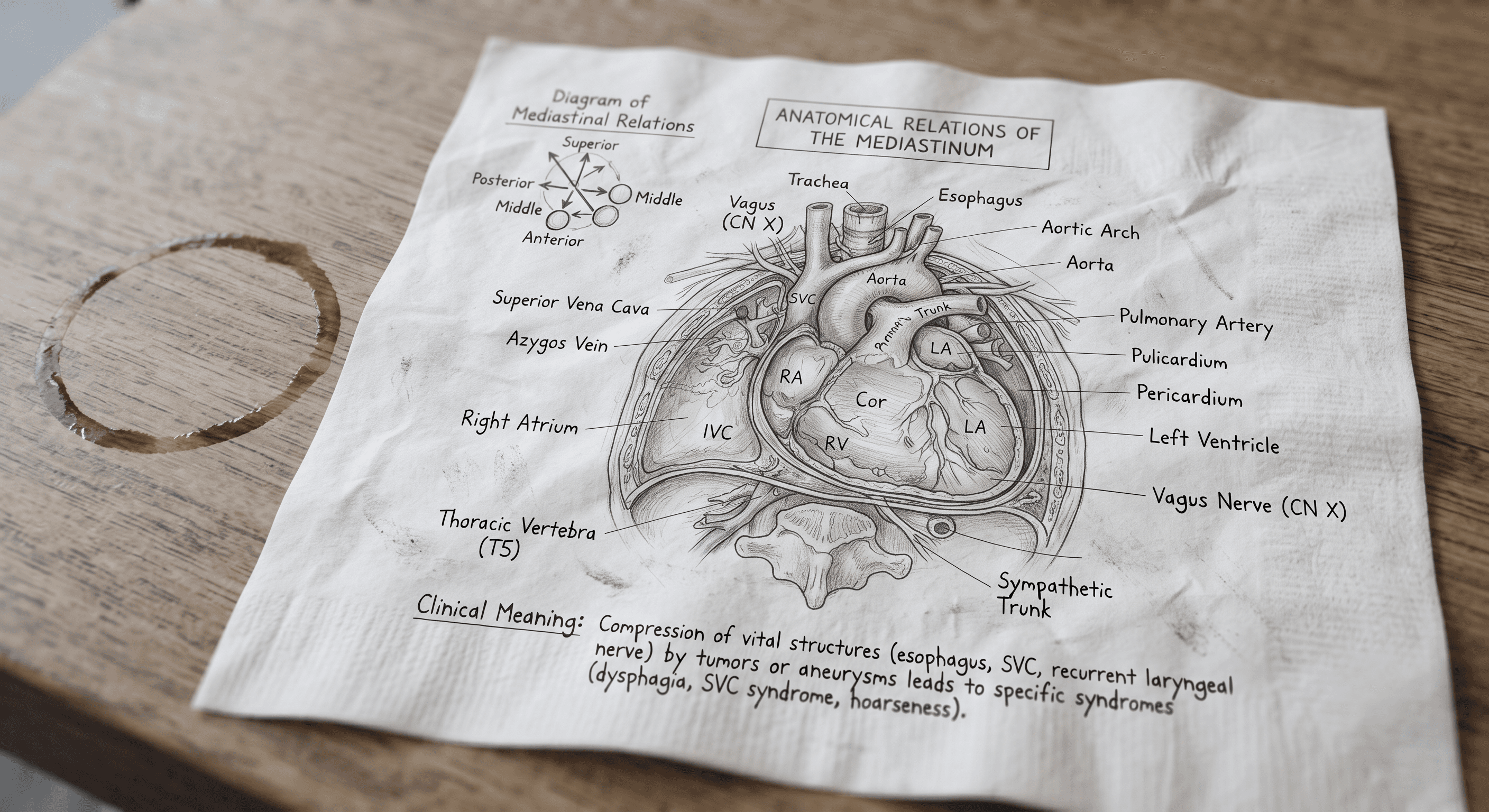
Relations, diagrams, and clinical meaning can turn a list of facts into a readable answer.
- ›Match headings to the question you were asked.
- ›Check diagrams against approved resources.