
Past papers are a map, not a prediction
A calmer way to read years of university questions without turning frequency into false certainty.

Previous papers can help you understand question formats and recurring topics. They are most useful alongside your current syllabus, teaching, and feedback—not as a forecast of the next exam. Start with the academic context you actually have, then use papers to make practice more purposeful.
- 1Use previous papers alongside the current syllabus.
- 2Attempt questions before comparing answers.
- 3Prioritize personal gaps as well as recurring topics.
Build a map from your own course
Gather the papers available for your institution and check which curriculum and assessment format they belong to. A question from an older syllabus may still be useful practice, but it needs that context.
Group questions under syllabus topics. Record the year, wording, and marks where available. Keep topics with few or no previous questions on the map: absence from an archive does not remove them from your course.
- Check the curriculum and paper format.
- Group questions by syllabus topic.
- Keep less frequent topics in your plan.
Turn a pattern into an attempt
Choose one question and notice what it asks you to do: list, explain, compare, or discuss. Draft an outline that answers that prompt, then attempt it before opening your notes.
Compare the attempt with an approved resource or available marking guidance. Ask whether you answered every part, explained the key idea, and used a readable structure. Question wording alone does not reveal an exact marking rubric.
- Identify the question’s command word.
- Attempt an answer before opening notes.
- Review against available marking guidance.
Let feedback set the next priority
Repeated topics can deserve attention, but so can a topic you repeatedly struggle to explain. Balance recurrence with your own gaps and the full syllabus.
Write down one concrete next action: clarify a concept, reorganize an answer, or retry a related question. MED X AI is being developed around this connection between academic context and individual practice; its current preview demonstrates sample patterns and feedback.
- Balance recurrence with personal gaps.
- Choose one concrete improvement.
- Retry a related question.
A useful paper review ends with a better study decision, not a prediction. Keep the syllabus in view and let each attempt tell you what to work on next.
Continue reading
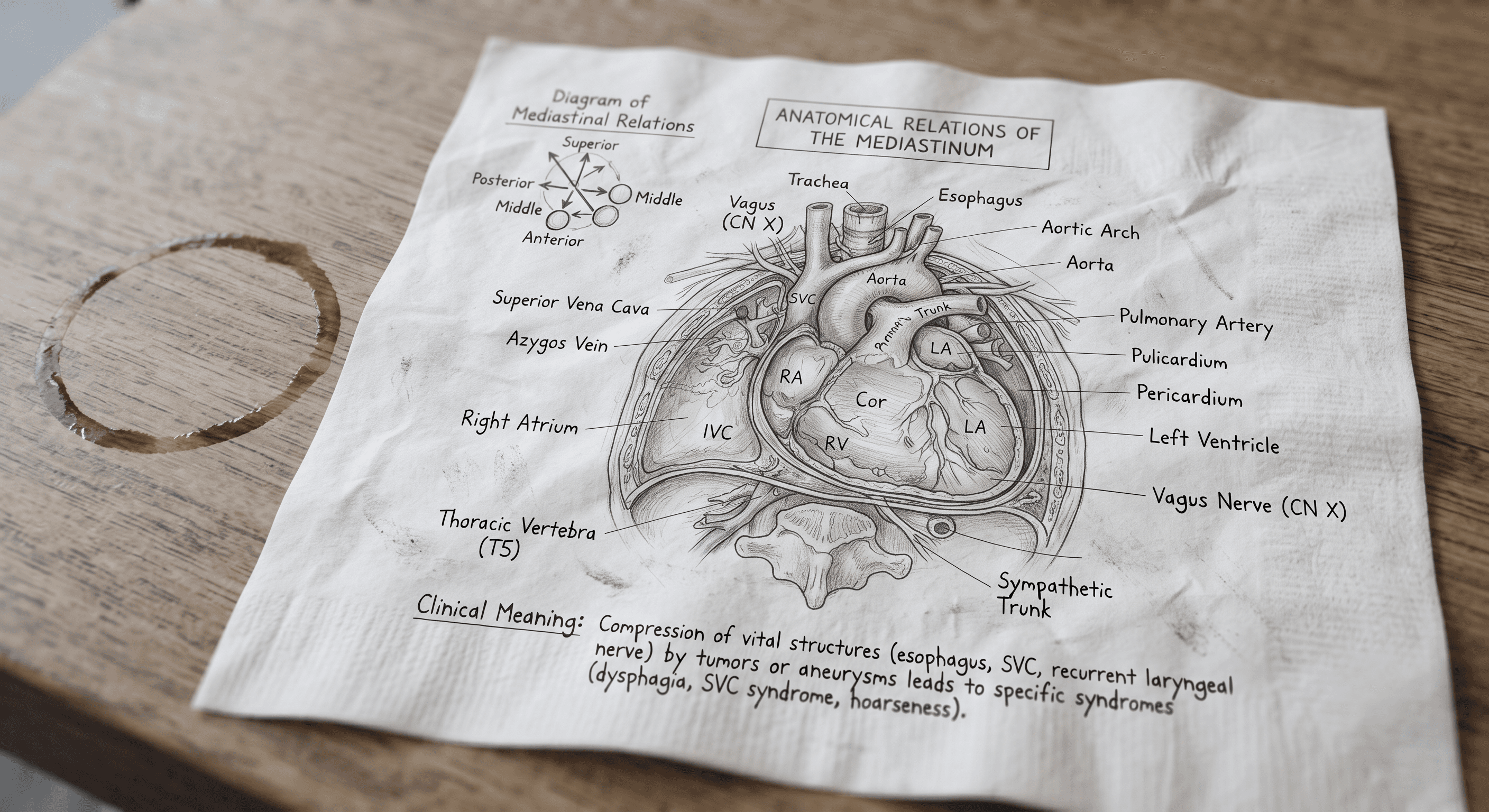
Relations, diagrams, and clinical meaning can turn a list of facts into a readable answer.
- ›Match headings to the question you were asked.
- ›Check diagrams against approved resources.

A simple revision routine that turns familiar pages into decisions, retrieval, and feedback.
- ›Choose a manageable priority from your course and your gaps.
- ›Make an attempt before looking at an explanation.