
Your second pass should be different
A simple revision routine that turns familiar pages into decisions, retrieval, and feedback.

A large collection of notes can leave you with plenty to read and little sense of what to do next. On a second pass, try changing the task: move from looking at familiar pages to checking what you can explain, apply, or write yourself.
- 1Choose a manageable priority from your course and your gaps.
- 2Make an attempt before looking at an explanation.
- 3Use AI to support practice and verify its output.
Choose a small, useful priority
Start with the current syllabus, upcoming teaching or assessment, and a gap from your last attempt. Choose a task small enough to finish in the time you have.
Instead of “revise the whole subject,” write a question you want to answer. Keep one approved resource close by, rather than opening every set of notes at once.
- Choose a topic from your current course.
- Set a clear purpose for the attempt.
- Follow the guidance in approved resources.
Attempt, compare, and retry
Close your notes and write a short explanation or answer. When you reopen them, mark what was missing, unclear, or mistaken. Treat those gaps as information about the next study step.
Return to one weak point and try again in your own words. Keep the routine manageable around classes and rest; an unfinished plan is a reason to adjust its size, not a judgement of your ability.
- Make your own attempt first.
- Compare it with a reliable reference.
- Record omissions and uncertainties.
Use AI without handing over the thinking
If you use an AI study tool, make your own attempt first. Ask for a hint, a question about your reasoning, or feedback on structure before requesting a complete answer.
Check important explanations against approved resources and ask faculty when something remains uncertain. Fluent AI output can be wrong or miss your institution’s expectations. MED X AI aims to bring that context into learning support; its current workspace contains preset examples rather than live evaluation.
- Focus on one weakness at a time.
- Ask faculty about unresolved questions.
- Set a specific task for the next session.
End with a specific next task. A useful revision session gives you a clearer picture of what you know and one achievable step toward what you do not yet understand.
Continue reading

A calmer way to read years of university questions without turning frequency into false certainty.
- ›Use previous papers alongside the current syllabus.
- ›Attempt questions before comparing answers.
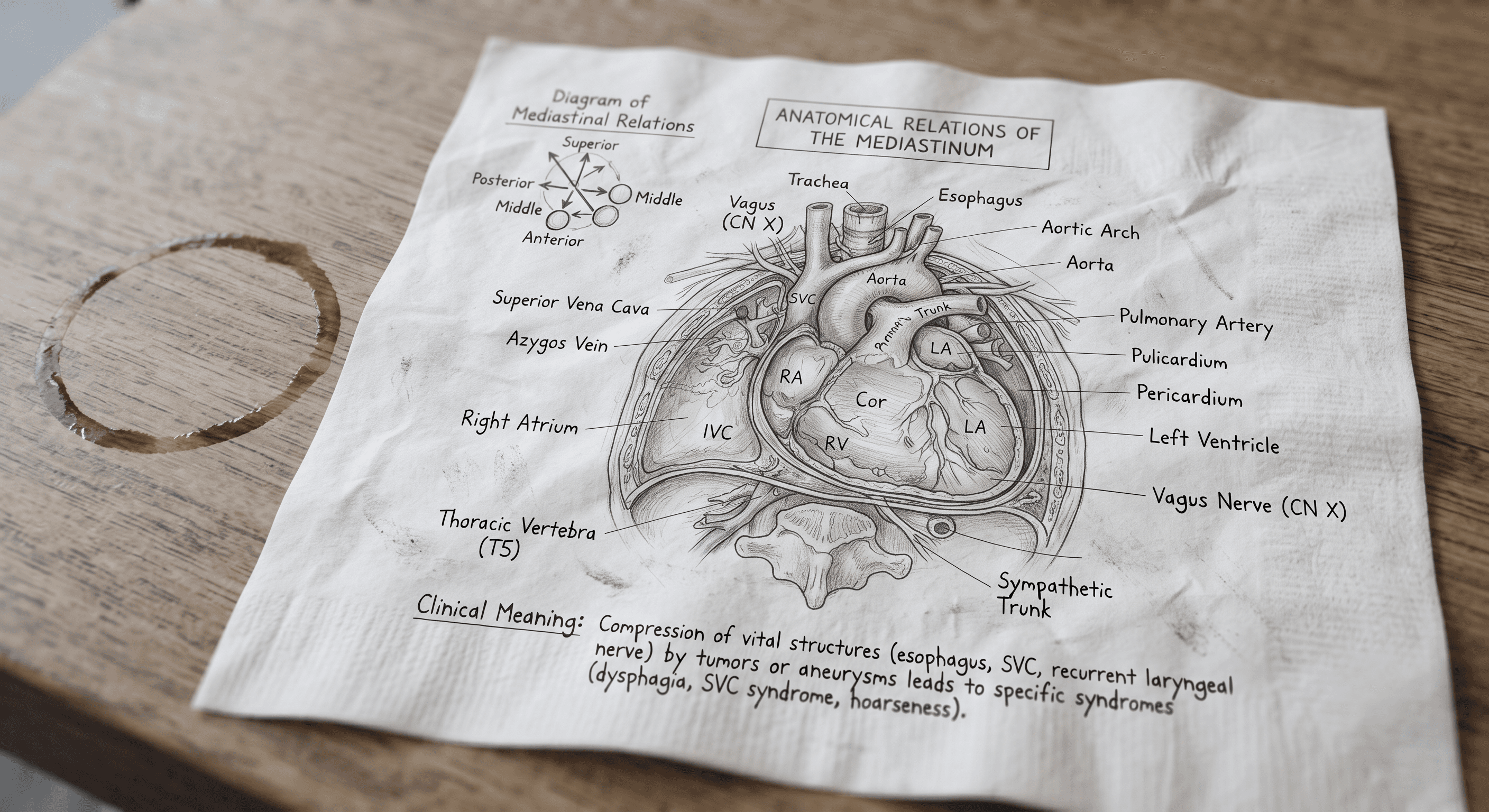
Relations, diagrams, and clinical meaning can turn a list of facts into a readable answer.
- ›Match headings to the question you were asked.
- ›Check diagrams against approved resources.