
How to learn pharmacology without drowning in drug lists
A practical way to organize course material, compare key differences, and review your own answers.

Pharmacology notes can become long lists that are difficult to organize. A study structure can help you connect the ideas your course expects you to understand while keeping important differences visible. Use current, approved teaching resources as your reference.
- 1Organize notes around your syllabus and faculty guidance.
- 2Check differences and exceptions against approved resources.
- 3Use each practice answer to set a focused next task.
Organize around the course objective
Choose one class or topic from your syllabus. Use the headings expected in your teaching, such as mechanism, uses, adverse effects, and precautions, to organize your notes.
If your course uses a representative drug, begin there and compare the others explicitly. Do not assume that everything about one member applies to every member of a class.
- Choose a topic from your current course.
- Set a clear purpose for the attempt.
- Follow the guidance in approved resources.
Check explanations as well as recall
Close the notes and explain one relationship in your own words. Reopen the approved resource to check both accuracy and omissions.
Keep facts that require direct reference separate from explanations you are trying to understand. AI-generated summaries may omit exceptions, so check them rather than treating them as a prescribing reference.
- Make your own attempt first.
- Compare it with a reliable reference.
- Record omissions and uncertainties.
Practise in the format you are taught
Attempt a course question and review whether your answer addressed its specific prompt. For practical exercises, follow your faculty’s current instructions and feedback.
Record one gap and return to it in the next session. Revision exercises are part of learning; they do not establish independent prescribing competence or replace supervised clinical training.
- Focus on one weakness at a time.
- Ask faculty about unresolved questions.
- Set a specific task for the next session.
The goal is to make a demanding subject easier to study deliberately. Keep the reference reliable, the task manageable, and the next improvement specific.
Continue reading

A calmer way to read years of university questions without turning frequency into false certainty.
- ›Use previous papers alongside the current syllabus.
- ›Attempt questions before comparing answers.
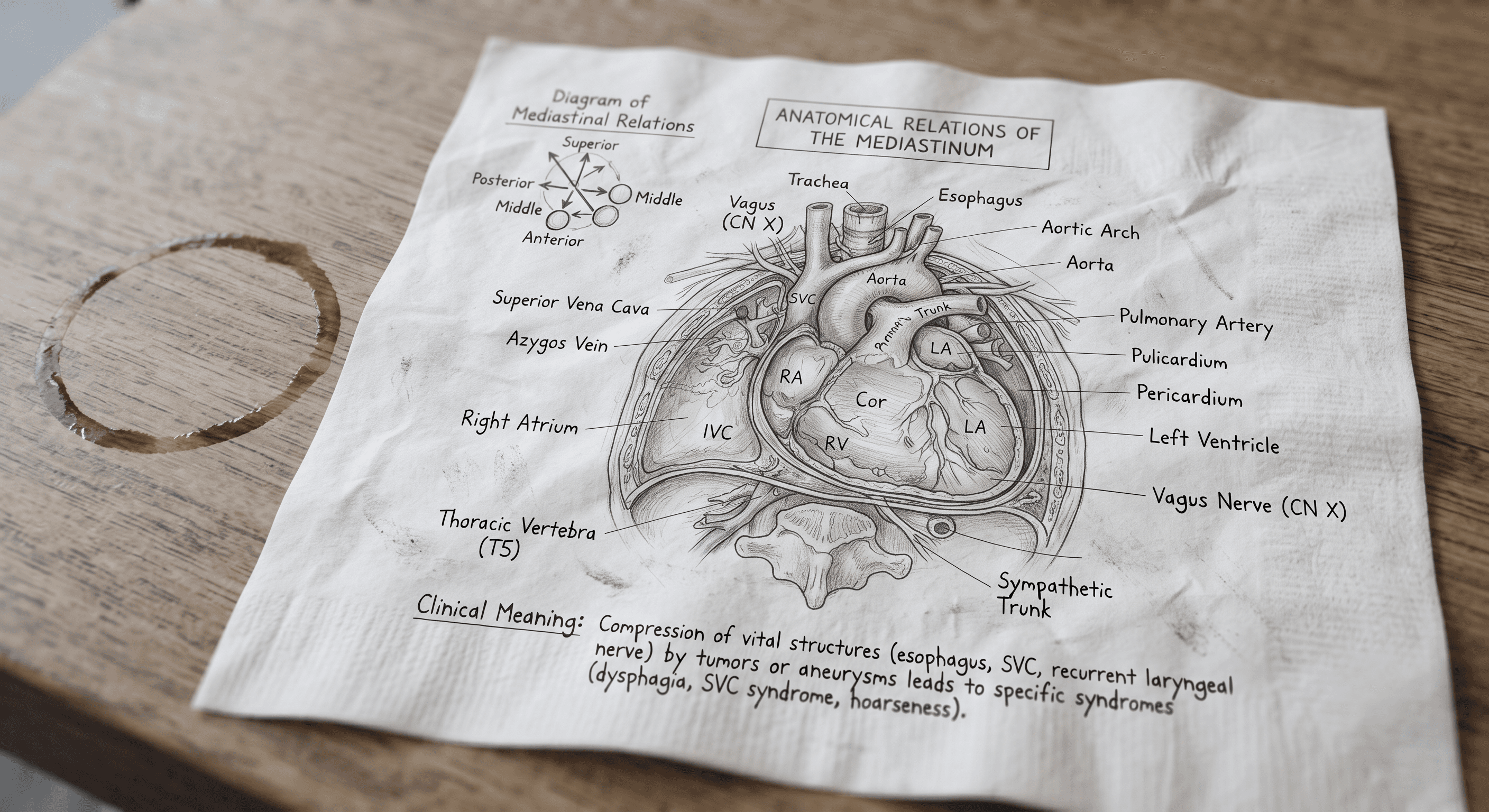
Relations, diagrams, and clinical meaning can turn a list of facts into a readable answer.
- ›Match headings to the question you were asked.
- ›Check diagrams against approved resources.